
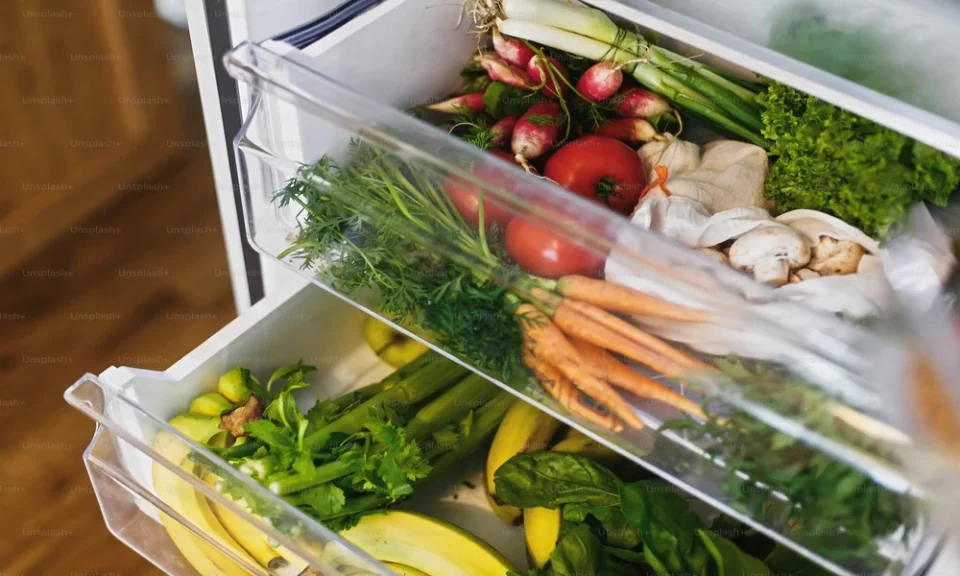
Modern households generate a significant amount of refuse, much of which comes from the weekly shop. A large portion of this rubbish is single-use packaging that is used once and then discarded.
Research published in Science Advances reveals a stark reality: an estimated 91% of all plastic is never recycled. Furthermore, around 40% of all plastic produced is designed for wrapping and protecting our food.
This has led many people in the UK to seek more sustainable ways to buy their essentials. The goal is to move towards a zero waste lifestyle, which focuses on eliminating unnecessary materials from the very beginning.
Choosing where and how you purchase your food and household items can make a substantial difference. By supporting services that prioritise reusable and compostable materials, consumers can drastically cut down on the packaging that enters their homes.
The environmental benefits of this shift are profound. Reducing our reliance on single-use materials helps protect natural resources and lowers pollution, creating a healthier planet for future generations.
Key Takeaways
- A large volume of household waste originates from traditional food shopping and its packaging.
- Scientific data indicates that the vast majority of plastic, including that used for food, is not recycled.
- Adopting a zero waste approach to shopping is a powerful response to this environmental challenge.
- Consumers are increasingly looking for a waste grocery solution that avoids single-use materials.
- Selecting retailers committed to sustainable packaging is a key step in reducing one’s personal waste footprint.
- The collective move towards more conscious consumption offers significant long-term benefits for the environment.
Why Sustainable Grocery Shopping Matters
Understanding the full lifecycle of product packaging reveals the true cost of convenience. The materials that protect our food and items from farm to kitchen have a profound story.
This story often ends in pollution and resource depletion. Making conscious choices during your weekly shopping is a powerful way to rewrite that narrative.
Environmental Impacts of Packaging Waste
Since the 1960s, over 8.3 billion tonnes of plastic have been created. A large share becomes persistent waste.
The manufacturing impact is also severe. Producing a single plastic container releases approximately 3lbs of CO2 into the atmosphere.
Perhaps most striking is the disparity between use and disposal. A typical carrier bag has a useful life of just 12 minutes. It then persists in the environment for centuries.
The table below highlights key differences between common packaging materials:
| Material | CO2 per Container | UK Recycling Rate | Typical Use Duration |
|---|---|---|---|
| Plastic | ~3 lbs | ~44%* | Minutes to days |
| Paper | Lower | 64.7% | Days to weeks |
| Glass | Higher (but reusable) | 32.5% | Years |
*Estimated overall plastic packaging recycling rate. Choosing materials with better recovery rates is a direct step towards reducing environmental impact.
The Economic and Social Benefits of Zero Waste
Adopting a zero waste approach extends beyond the planet. It supports local economies and communities.
Purchasing produce and goods directly from farmers at a market cuts down on transport and middlemen. This often means fresher food and less packaging.
Buying essentials in bulk using your own containers reduces food waste. You purchase only the amount you need. This saves money and minimises household waste.
These practices create a more resilient and connected local shopping ecosystem. The benefits are both economic and social, making zero waste a holistic goal.
Steps to Organise a Plastic Free Grocery Delivery
Organising your household purchases to minimise rubbish begins with a few practical steps. A systematic shift in how you acquire essentials can dramatically reduce the packaging entering your home.
Planning Your Zero Waste Strategy
Effective planning is the cornerstone of a zero waste lifestyle. Start by creating a detailed list of items like bulk grains and fresh produce.
This simple habit helps avoid impulse grocery shopping. It ensures you only buy what you need, cutting down on food waste.
“Every small, consistent action adds up to significant change for our planet.”
Choosing Reusable Containers and Bags
Selecting the right containers is a crucial step towards sustainability. Many customers prefer glass jars for pantry essentials.
They help track stock and keep the kitchen tidy. Always weigh empty containers before filling them with bulk goods for fair pricing.
The table below compares popular reusable options:
| Material | Typical Use | Weight Tare Ease | Environmental Benefit |
|---|---|---|---|
| Glass Jars | Pantry storage, bulk buys | Easy to weigh | Fully recyclable, inert |
| Stainless Steel | Lunchboxes, dry goods | Moderate | Extremely durable |
| Cloth Bags | Produce, baked goods | Very easy | Lightweight, washable |
Leveraging Covent Garden Fruits Services
Specialist services can simplify your zero waste shopping. For instance, Covent Garden Fruits provides fresh food delivery.
You can request your order in reusable containers instead of single-use bags. Supporting such businesses reduces your environmental impact.
Projections suggest 12 billion metric tons of plastic could be in landfills by 2050. Every conscious choice matters.
Innovative Solutions in Plastic Free Grocery Delivery
Eco-conscious consumers now have access to smarter systems designed to minimise packaging from the outset. This shift is powered by technology and fresh thinking.
It moves the focus from disposal to prevention, a core zero waste principle.
Technological Advances and Eco-friendly Practices
Digital tools are revolutionising how stores operate. Online platforms often eliminate paper receipts and invoices.
Advanced software helps track inventory with precision. This reduces food waste by ensuring optimal stock levels.
Smart logistics plan more efficient routes for delivery. This cuts fuel use and emissions associated with shopping.
Many services also offer customers useful tips. These can cover storing produce or organising the kitchen to extend shelf life.
Innovative Solutions by Pome Ltd
Companies like Pome Ltd are at the forefront. They create reusable containers and compostable packaging solutions.
Their systems allow items like meat, fresh food, and bulk groceries to arrive safely without single-use plastic.
This approach directly tackles the huge volume of waste generated by traditional grocery services. Consumers can place an order knowing their options support a zero waste goal.
Such innovation proves that reducing packaging waste is both practical and scalable for modern households.
Integrating Local Initiatives and Lifestyle Tips
The final piece of the zero waste puzzle involves connecting with local producers and refining household routines. This dual approach amplifies your positive environmental impact.
It turns individual action into community progress. Both elements are essential for lasting change.
Supporting Community Grocery Stores and Local Farmers
Sourcing food from neighbourhood stores and local farmers cuts transport miles. It also reduces the packaging needed for long-distance delivery.
For example, Covent Garden Fruits and Pome Ltd now collaborate on local distribution. Their partnership offers customers fresh produce with minimal waste.
Visiting a farmers’ market lets you buy items directly. You can use your own bags and containers for a true zero waste grocery shop.
Smart Meal Planning and Waste Reduction Techniques
Planning meals for the week is a vital step towards cutting food waste. You only purchase the groceries you will actually use.
Many grocery stores now have bulk sections for pantry essentials. This avoids excess packaging from standard grocery shopping.
The table below shows how planning affects your shop:
| Approach | Typical Packaging Waste | Food Waste Likelihood | Cost Efficiency |
|---|---|---|---|
| Planned Weekly Shop | Low | Low | High |
| Unplanned Shopping Trip | High | High | Low |
Simple tips like using beeswax wraps help maintain a zero waste kitchen. These habits protect our planet and save money.
Conclusion
Ultimately, the collective shift in consumer habits holds the key to tackling the pressing issue of packaging waste. Choosing to support a zero waste future is a meaningful way for individuals to reduce their environmental footprint.
By selecting responsible stores or services, customers can actively eliminate unnecessary packaging. This direct action helps decrease the amount of waste, including plastic, entering our environment.
Every small step counts. Using your own bags or choosing bulk items are powerful actions. We encourage you to apply these tips to make more conscious decisions about the food and goods you purchase.
Together, these choices drive positive change. They help ensure our planet remains healthy for generations through a committed zero waste lifestyle.
