
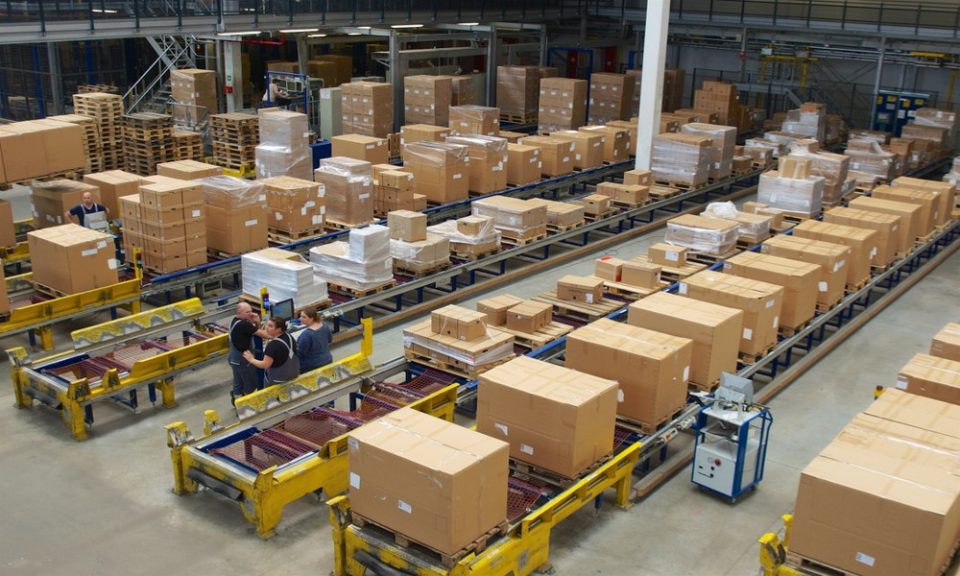
In today’s highly competitive food industry, manufacturers are under constant pressure to increase productivity, reduce labor strain, and maintain strict hygiene standards. Lift assist arms-also known as assisted lifting manipulators-have become an essential solution in modern food plants. These systems provide operational consistency, safety, and efficiency by facilitating repetitive material handling operations.
Below are five key ways lift assist arms significantly improve food plant efficiency.
Reduce Manual Labor and Operator Fatigue
Food processing facilities often involve repetitive lifting of cartons, bags, containers, or raw materials. Worker tiredness, decreased productivity, and an increased risk of injuries result from this over time.
These repetitious chores can be completed with the least amount of human effort thanks to lift assist arms. While the system takes care of the work, operators merely direct the machinery. This significantly lessens physical strain and enables employees to function consistently for the duration of their shifts.
As a result, plants experience:
- Lower injury rates
- Reduced absenteeism
- Improved workforce productivity
Improve Speed in Material Handling Operations
Efficiency in food plants heavily depends on how quickly materials can move between processes such as packaging, palletizing, and storage.
Lift assist arms streamline these workflows by enabling faster and more controlled movement of products. Compared to manual handling, operators can complete lifting and positioning tasks in significantly less time.
When integrated into a loading and unloading system, lift assist arms can:
- Accelerate transfer between conveyors and pallets
- Reduce bottlenecks at packaging stations
- Improve overall line throughput
This speed advantage becomes especially critical in high-volume production environments.
Enhance Workplace Safety and Compliance
Safety is a top priority in food manufacturing, where both employee well-being and regulatory compliance are critical.
The following risks are increased when big or awkward loads are lifted by hand:
- Musculoskeletal injuries
- Accidental drops
- Workplace accidents
Lift assist arms provide controlled and stable handling, minimizing these risks. Additionally, a lot of systems have safety measures like:
- Load limit protection
- Ergonomic controls
- Smooth motion control
By improving safety conditions, food plants not only protect their workforce but also reduce costs associated with compensation claims and downtime.
Maintain Hygiene and Product Integrity
Food industry operations require strict adherence to hygiene standards. Excessive human contact with products or packaging can increase contamination risks.
Lift assist arms help minimize direct handling by allowing operators to move items without touching them extensively. Vacuum grippers and clamps are examples of specialized end-effectors that guarantee safe and hygienic product handling.
In addition:
- Stainless steel designs are available for washdown environments
- Smooth surfaces reduce contamination points
- Controlled handling prevents product damage
This makes lift assist arms particularly valuable in sensitive applications such as dairy, meat processing, and ready-to-eat food packaging.
Increase Flexibility Across Multiple Applications
One of the biggest advantages of lift assist arms is their adaptability. Food plants often handle a wide variety of products, from lightweight packages to heavy bulk materials.
Lift assist systems can be easily customized with different tooling to handle:
- Boxes and cartons
- Bags and sacks
- Drums and containers
- Irregularly shaped items
Their flexibility allows them to be used across multiple stages of production, including:
When combined with a broader loading and unloading system, lift assist arms can seamlessly integrate into existing workflows without requiring major infrastructure changes.
Conclusion
Lift assist arms are no longer just optional tools-they are becoming essential components of efficient food manufacturing operations. By reducing manual labor, increasing handling speed, improving safety, maintaining hygiene, and offering unmatched flexibility, they deliver measurable benefits across the entire production process.
For food manufacturers looking to optimize efficiency while meeting strict safety and hygiene standards, investing in lift assist arms is a practical and forward-thinking solution.
